How to Recycle Food Residue?
The best options that help in the recycling of household waste is to recycle leftovers others edible.
For example (Chahi bags, eggshells) and other edible food,we can take advantage of the edible food and turn it into fertilizer.
or turn them into soil for planting these means benefit the home garden.
Why recycle your food waste?
When recycled, food waste can be turned into something useful. Your food waste is taken to a special processing plant where it is used to generate electricity to power homes and the local community. It also produces a fertiliser which can be used in farming. When you put your food waste in your rubbish bin it often ends up in landfill, where it rots and releases methane – a harmful greenhouse gas.
compost food at home

When we think of composting, we tend to think of enormous dumpsters full of everything you didn’t eat for dinner that day, mixing together into an earthy, smelly, nasty concoction that seems to have a life of its own. But at its most basic level, composting is simply the deconstruction of any organic material. And it’s probably already happening, whether you realize it or not, in your kitchen’s plastic-lined garbage bin.
In honor of Earth Day, consider this: In a study on the efficiency of household composting, researchers had a series of households compost for an entire year and tracked the waste they avoided. They found that, on average, composting saved 277 pounds of waste per person per year. Those scraps would otherwise have gone to a landfill or other garbage treatment facility. The results of the study, the researchers say, show that organic waste that would normally be placed in the garbage can be reduced by more than 80 percent.
But if organic matter is always going to decompose, why does it matter if it does so above ground or under the cover of a landfill? When food decomposes in a landfill, it does so underground. That means that it doesn’t have any access to oxygen and undergoes a process called anaerobic decomposition. This releases methane, a greenhouse gas that contributes to climate change. When organic matter decomposes above ground (in compost), it has access to oxygen and thus undergoes aerobic decomposition, which doesn’t generate methane.
What You Should and Shouldn’t Compost
What to add to your compost pile:
- Hair and fur
- Shredded paper
- Straw and hay
- Animal bedding and sawdust
- Crushed egg shells
- Grass and plant cuttings
- Raw fruit and vegetable trimmings
- Teabags and coffee granules
- Horse manure
- Leaves
What not to add to your compost pile:
- Meat or fish
- Coal Ash
- Animal waste
- used tissues
- Dairy products
- Cooked foods
- Coloured or treated paper
- Chemically treated wood
- Diseased plants
- Persistent weeds
what are the benefits of compost at home
Why Compost?
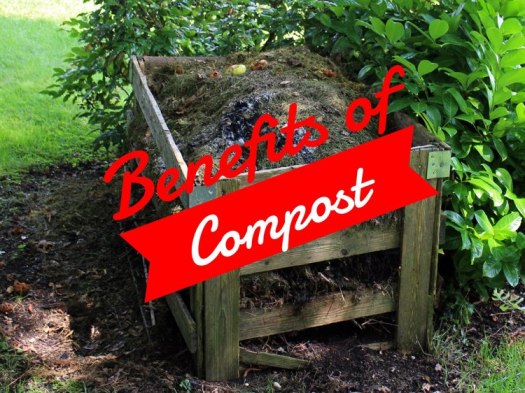
Why compost?! Recycling at its natural best just isn’t good enough for you?
Well then, here are some of the many other good reasons to compost…
Composting Reduces Waste
Organic wastes, such as food waste and yard waste, make up 25 to 50% of what people throw away. While you may not be able to compost all of the organic waste you generate, composting can significantly cut down on your overall trash.
When we throw away yard and food waste, it decomposes in a landfill and releases methane gas, a potent greenhouse gas. While most landfills have technology to capture much of this methane, eliminating the gas at its source is even better.
Compost is Great for Plants, Lawns, and Gardens
Applying compost to your soil makes for happy plants and a better time tending your garden. Here are some of the reasons why:
For Aerobic Compost
Increases organic matter in your soil.
Helps plants absorb nutrients already in your soil and provides some extra nutrients too.
Makes clay soils more airy and helps them drain better.
Makes clay and other soils more friable, which means they’ll be easier to crumble and dig in.
Helps sandy soils retain water that normally runs through.
Helps balance the pH of your soil.
Can extend the growing season by moderating soil temperature.
Can even help control soil erosion!
For Worm Compost (Vermicompost)
Provides lots of nutrients.
“Tea” from the worm bin can be used in concentrated form as a mild weed killer.
“Tea” can also be watered down as a fertilizer.
Compost Conserves Resources
Composting at home can help conserve all sorts of resources:
Water
Compost helps soak up water, slowly releasing it to plants. With enough compost in your soil, you won’t have to water as much. Also, compost applied thickly as a top dressing has some of the benefits of mulching. It will keep water from evaporating from deeper levels.
Energy and Fuel
Composting at home not only keeps the material out of the landfill; it keeps the material from being transported too! Because many organic wastes contain a lot of water, they are some of the heaviest wastes. Not transporting these heavy wastes saves fuel and energy.
 thecapablerecycle.home.blog